




Advanced Heart CarePersonalised for Every Patient

Complex Angioplasty - Heart Failure - Pacemaker - Structural Heart Disease

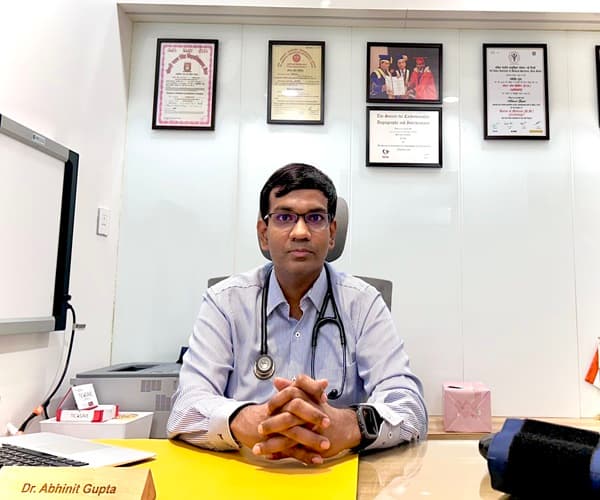
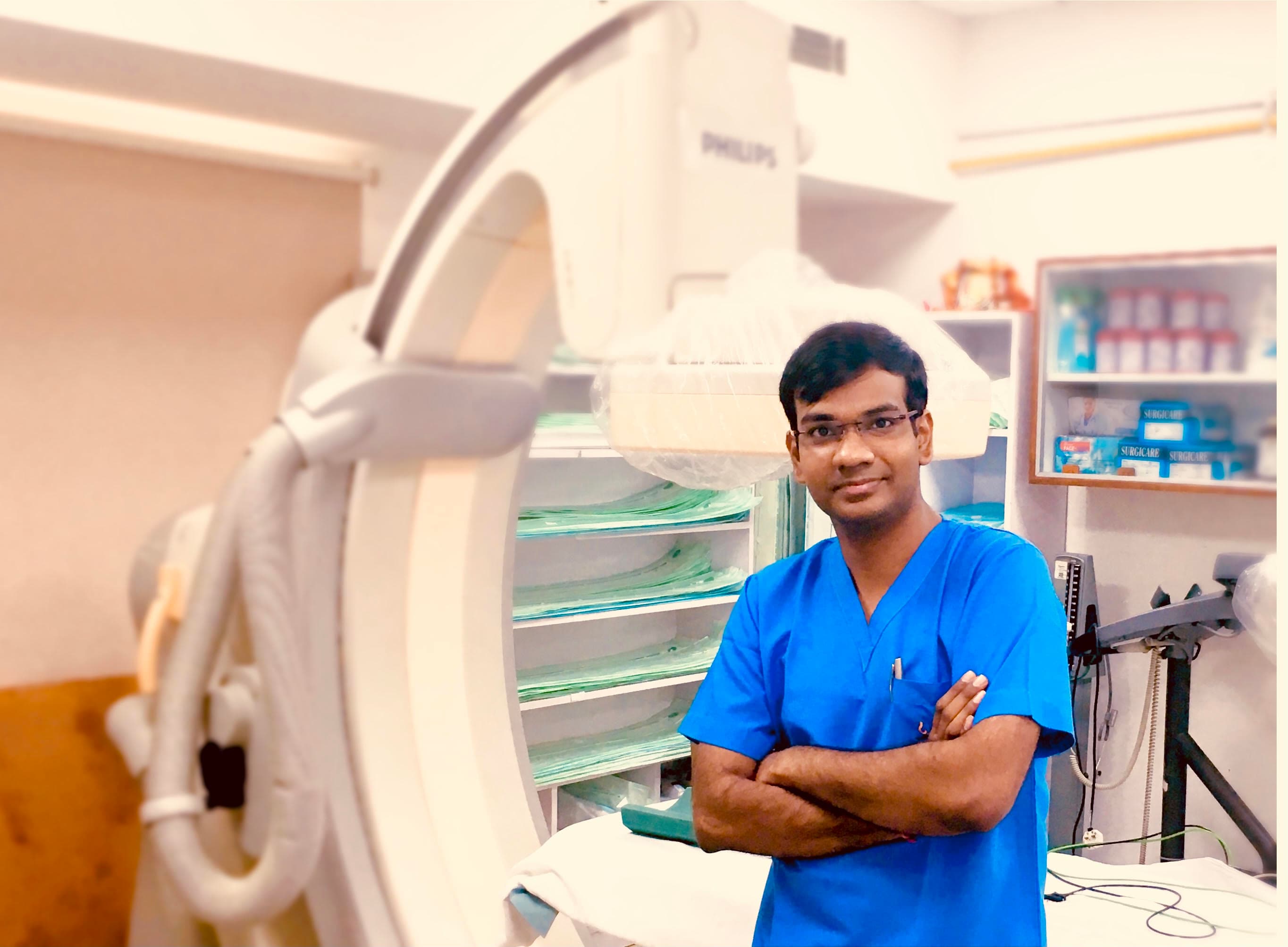
Dr. Abhinit Gupta

DM Cardiology from AIIMS, New Delhi — combining advanced interventional expertise with genuine compassion, so your heart is always in the safest hands.

15+

Years Experience

50K+

Consultations & Treatments

25+

Gold Medals

Dr. Abhinit Gupta

Advanced Technology

State-of-the-art cardiac care

Ethical Practice

Honest advice, no unnecessary procedures

Evidence based Care

Care guided by proven medical research

Personalised Care

Every treatment tailored to you

AIIMS-Trained Interventional Cardiologist - Awarded 25+ Gold Medals for Academic Excellence — Caring for North India's Hearts

Meet Dr. Abhinit Gupta

25+ Gold Medals

MBBS · MD · DM Cardiology

About

Meet Dr. Abhinit Gupta

Providing evidence -based, patient-centred cardiovascular Care

Dr. Abhinit Gupta is the Associate Director of Cardiology at Regency Hospital, Kanpur. The recipient of 25+ gold medals during his training — including MBBS from L.L.R.M. Medical College, MD Medicine from S.N. Medical College, and DM Cardiology from AIIMS, New Delhi — he subsequently trained at Max Super Speciality Hospital, Saket, New Delhi, before joining Regency Healthcare, Kanpur, in June 2017. His clinical focus encompasses STEMI care, primary angioplasty, trans-radial interventions, structural heart disease, arrhythmia management, heart failure treatment, complex PCIs, pacemaker and ICD implantation, and peripheral and renal angioplasty.

0+

Consultations & Treatments

During his clinical practice

0+

Years Experience

In medicine and cardiology

0+

Cardiac Procedures

Comprehensive cardiac care

0+

Gold Medals

Across MBBS, MD & DM training

Comprehensive Cardiac Care For Your Health

Dr. Abhinit Gupta is an interventional cardiologist in private practice at Smiling Hearts Cardiac Centre, Kanpur. With more than 15 years of experience in medicine and interventional cardiology, he brings deep clinical expertise and genuine compassion to every patient he sees.

DM Cardiology from AIIMS, New Delhi
50k+ Patient Consultations & Treatments
Based in Kanpur, UP
10000+ Cardiac Procedures

15+

Years of Experience

8+

Specialised Services

2

Dedicated Centres

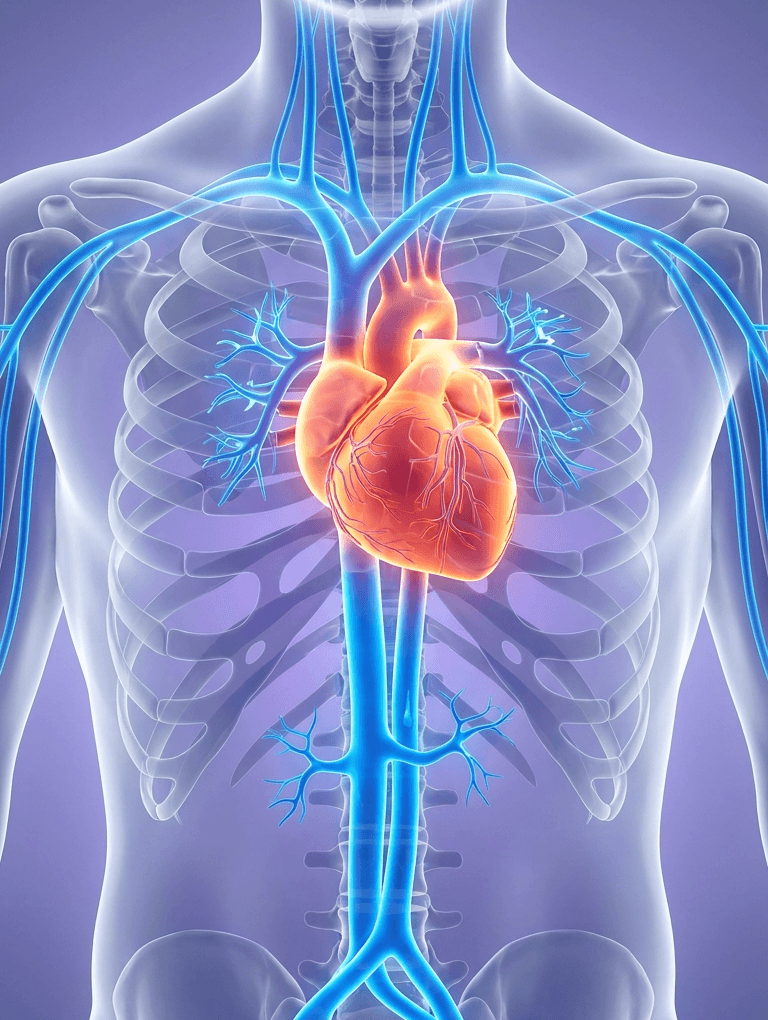
Human heart cardiovascular medical visualization

15+

Years of Experience

Offering a Wide Range of Cardiac Care

Dr. Abhinit Gupta is an interventional cardiologist based in Kanpur, providing advanced cardiac care with compassion.

Radial Angiography & Angioplasty

Precise diagnosis and treatment of coronary artery blockages via the radial (wrist) approach for faster recovery.

Complex & Imaging-guided Precision Angioplasty

Advanced angioplasty guided by intravascular imaging for accurate treatment of complex coronary lesions.

Emergency Angioplasty for Heart Attack

Rapid primary angioplasty to restore blood flow and minimise heart muscle damage during a heart attack.

CTO and Left Main Intervention, IVL and Rotablation

Specialist techniques for complex blockages including chronic total occlusions, left main disease, and calcified arteries.

Structural Heart Disease Interventions & TAVR

Non-surgical interventions for structural heart defects including transcatheter aortic valve replacement (TAVR).

Physiology Guided Revascularization (iFR & FFR)

Functional assessment of coronary lesions using iFR and FFR to guide precise and evidence-based treatment decisions.

Pacemaker, CRT-D, AICD and Leadless Pacemaker

Implantation and management of pacemakers, defibrillators, and leadless devices for arrhythmias and heart failure.

Neonatal and Paediatric Echocardiography

Specialised echocardiographic imaging for newborns and children to diagnose congenital and acquired heart conditions.

On YouTube

Watch Dr. Gupta's Video Library

 Symptoms of heart diseases and primary steps
YouTube

Symptoms of heart diseases and primary steps

Do your part; know your heart. To safeguard your cardiovascular health, you must know your heart risks and work hard to minimize them. The greater the number of risk factors and the greater the severity of each factor, the higher the person’s overall risk of developing heart disease. To prevent heart attacks and other problems, it’s important to identify and manage risks as early as possible. Common heart risks include age, family history, high blood pressure, high blood cholesterol and diabetes. There are also several lifestyle factors related to weight, smoking and stress that contribute to heart disease risk over time.

Watch on YouTube
 Sudden Heart Attack and Cardiac Arrest due to bad life style and stress
YouTube

Sudden Heart Attack and Cardiac Arrest due to bad life style and stress

The stress itself can be a problem. It raises your blood pressure, and it's not good for your body to constantly be exposed to stress hormones. Studies also link stress to changes in the way blood clots, which makes a heart attack more likely.

Watch on YouTube
You are young - but is your heart ?
YouTube

You are young - but is your heart ?

A healthy heart is the key to a vibrant life—nurture it with love and care.

Watch on YouTube
What is a Heart Attack? Causes, Symptoms & Prevention Explained | Dr. Abhinit Gupta | Heart Health
YouTube

What is a Heart Attack? Causes, Symptoms & Prevention Explained | Dr. Abhinit Gupta | Heart Health

What is a Heart Attack? Causes, Symptoms & Prevention A heart attack occurs when the blood flow to a part of the heart is blocked, preventing oxygen from reaching the heart muscle. Timely recognition of the warning signs and immediate medical care can save lives.

Watch on YouTube
कानपुर में हृदय रोगों के सम्पूर्ण इलाज की अत्याधुनिक सुविधाएं अब एक ही छत के नीचे | Dr Abhinit Gupta
YouTube

कानपुर में हृदय रोगों के सम्पूर्ण इलाज की अत्याधुनिक सुविधाएं अब एक ही छत के नीचे | Dr Abhinit Gupta

अब कानपुर में हृदय रोगों के अत्याधुनिक इलाज की सुविधाएं एक ही छत के नीचे! उन्नत तकनीक, अनुभवी विशेषज्ञ और विश्वस्तरीय हृदय उपचार अब कानपुर में उपलब्ध हैं।

Watch on YouTube
 World Heart Day wishes
YouTube

World Heart Day wishes

🫀 World Heart Day 2025 🫀 September 29 Today, we celebrate the most vital organ in our body — the heart. Your heart works tirelessly for you — take a moment today to commit to taking better care of it. Prevention is the best medicine. Let’s raise awareness, inspire action, and build a healthier world — one heartbeat at a time. Wishing you a healthy, happy heart — today and always.

Watch on YouTube
What is a Pacemaker
YouTube

What is a Pacemaker

About Pacemaker ....

Watch on YouTube
 TAVI (trans aortic valve implantation)
YouTube

TAVI (trans aortic valve implantation)

What TAVI (trans aortic valve implantation) brings is not just a valve replacement; it offers patients a second chance at a full and active life.

Watch on YouTube
 Symptoms of heart diseases and primary steps
YouTube

Symptoms of heart diseases and primary steps

Do your part; know your heart. To safeguard your cardiovascular health, you must know your heart risks and work hard to minimize them. The greater the number of risk factors and the greater the severity of each factor, the higher the person’s overall risk of developing heart disease. To prevent heart attacks and other problems, it’s important to identify and manage risks as early as possible. Common heart risks include age, family history, high blood pressure, high blood cholesterol and diabetes. There are also several lifestyle factors related to weight, smoking and stress that contribute to heart disease risk over time.

Watch on YouTube
 Sudden Heart Attack and Cardiac Arrest due to bad life style and stress
YouTube

Sudden Heart Attack and Cardiac Arrest due to bad life style and stress

The stress itself can be a problem. It raises your blood pressure, and it's not good for your body to constantly be exposed to stress hormones. Studies also link stress to changes in the way blood clots, which makes a heart attack more likely.

Watch on YouTube
You are young - but is your heart ?
YouTube

You are young - but is your heart ?

A healthy heart is the key to a vibrant life—nurture it with love and care.

Watch on YouTube
What is a Heart Attack? Causes, Symptoms & Prevention Explained | Dr. Abhinit Gupta | Heart Health
YouTube

What is a Heart Attack? Causes, Symptoms & Prevention Explained | Dr. Abhinit Gupta | Heart Health

What is a Heart Attack? Causes, Symptoms & Prevention A heart attack occurs when the blood flow to a part of the heart is blocked, preventing oxygen from reaching the heart muscle. Timely recognition of the warning signs and immediate medical care can save lives.

Watch on YouTube
कानपुर में हृदय रोगों के सम्पूर्ण इलाज की अत्याधुनिक सुविधाएं अब एक ही छत के नीचे | Dr Abhinit Gupta
YouTube

कानपुर में हृदय रोगों के सम्पूर्ण इलाज की अत्याधुनिक सुविधाएं अब एक ही छत के नीचे | Dr Abhinit Gupta

अब कानपुर में हृदय रोगों के अत्याधुनिक इलाज की सुविधाएं एक ही छत के नीचे! उन्नत तकनीक, अनुभवी विशेषज्ञ और विश्वस्तरीय हृदय उपचार अब कानपुर में उपलब्ध हैं।

Watch on YouTube
 World Heart Day wishes
YouTube

World Heart Day wishes

🫀 World Heart Day 2025 🫀 September 29 Today, we celebrate the most vital organ in our body — the heart. Your heart works tirelessly for you — take a moment today to commit to taking better care of it. Prevention is the best medicine. Let’s raise awareness, inspire action, and build a healthier world — one heartbeat at a time. Wishing you a healthy, happy heart — today and always.

Watch on YouTube
What is a Pacemaker
YouTube

What is a Pacemaker

About Pacemaker ....

Watch on YouTube
 TAVI (trans aortic valve implantation)
YouTube

TAVI (trans aortic valve implantation)

What TAVI (trans aortic valve implantation) brings is not just a valve replacement; it offers patients a second chance at a full and active life.

Watch on YouTube
 Symptoms of heart diseases and primary steps
YouTube

Symptoms of heart diseases and primary steps

Do your part; know your heart. To safeguard your cardiovascular health, you must know your heart risks and work hard to minimize them. The greater the number of risk factors and the greater the severity of each factor, the higher the person’s overall risk of developing heart disease. To prevent heart attacks and other problems, it’s important to identify and manage risks as early as possible. Common heart risks include age, family history, high blood pressure, high blood cholesterol and diabetes. There are also several lifestyle factors related to weight, smoking and stress that contribute to heart disease risk over time.

Watch on YouTube
 Sudden Heart Attack and Cardiac Arrest due to bad life style and stress
YouTube

Sudden Heart Attack and Cardiac Arrest due to bad life style and stress

The stress itself can be a problem. It raises your blood pressure, and it's not good for your body to constantly be exposed to stress hormones. Studies also link stress to changes in the way blood clots, which makes a heart attack more likely.

Watch on YouTube
You are young - but is your heart ?
YouTube

You are young - but is your heart ?

A healthy heart is the key to a vibrant life—nurture it with love and care.

Watch on YouTube
What is a Heart Attack? Causes, Symptoms & Prevention Explained | Dr. Abhinit Gupta | Heart Health
YouTube

What is a Heart Attack? Causes, Symptoms & Prevention Explained | Dr. Abhinit Gupta | Heart Health

What is a Heart Attack? Causes, Symptoms & Prevention A heart attack occurs when the blood flow to a part of the heart is blocked, preventing oxygen from reaching the heart muscle. Timely recognition of the warning signs and immediate medical care can save lives.

Watch on YouTube
कानपुर में हृदय रोगों के सम्पूर्ण इलाज की अत्याधुनिक सुविधाएं अब एक ही छत के नीचे | Dr Abhinit Gupta
YouTube

कानपुर में हृदय रोगों के सम्पूर्ण इलाज की अत्याधुनिक सुविधाएं अब एक ही छत के नीचे | Dr Abhinit Gupta

अब कानपुर में हृदय रोगों के अत्याधुनिक इलाज की सुविधाएं एक ही छत के नीचे! उन्नत तकनीक, अनुभवी विशेषज्ञ और विश्वस्तरीय हृदय उपचार अब कानपुर में उपलब्ध हैं।

Watch on YouTube
 World Heart Day wishes
YouTube

World Heart Day wishes

🫀 World Heart Day 2025 🫀 September 29 Today, we celebrate the most vital organ in our body — the heart. Your heart works tirelessly for you — take a moment today to commit to taking better care of it. Prevention is the best medicine. Let’s raise awareness, inspire action, and build a healthier world — one heartbeat at a time. Wishing you a healthy, happy heart — today and always.

Watch on YouTube
What is a Pacemaker
YouTube

What is a Pacemaker

About Pacemaker ....

Watch on YouTube
 TAVI (trans aortic valve implantation)
YouTube

TAVI (trans aortic valve implantation)

What TAVI (trans aortic valve implantation) brings is not just a valve replacement; it offers patients a second chance at a full and active life.

Watch on YouTube

Our Approach to Your Care

How Dr. Abhinit Gupta and the team at Smiling Hearts Cardiac Centre look after every patient.

5.0793 Google reviews

Clear, Unhurried Consultations

Every diagnosis and treatment option is explained in plain language, with time set aside for your questions.

Evidence-Based Cardiology

Care is guided by current clinical guidelines and tailored to each patient's individual condition.

Transparency at Every Step

Honest discussion of your procedure, expected recovery, and costs — so you can decide with confidence.

Continuity of Care

Structured follow-up and long-term support after every procedure — not only on the day itself.

Request Your Appointment

Dr. Abhinit Gupta is the Associate Director – Cardiology at Regency Hospital and Founder & Director of Smiling Hearts Cardiac Centre, Kanpur.

Smiling Hearts

Mon – Fri  ·  4:00 PM – 8:00 PM

Request Your Appointment

At Smiling Hearts Cardiac Centrewe will call you to confirm the schedule

Read Our Latest Articles On Healthcare & Wellness

Dr. Abhinit Gupta is an interventional cardiologist based in Kanpur.

What Is Angioplasty? How It Opens Blocked Arteries
Cardiology15 March 2025

What Is Angioplasty? How It Opens Blocked Arteries

Angioplasty is a minimally invasive procedure that opens blocked or narrowed coronary arteries. Dr. Abhinit Gupta explains what to expect before, during, and after the procedure.

Read More
Common Warning Signs of Heart Disease You Should Never Ignore
Heart Health28 February 2025

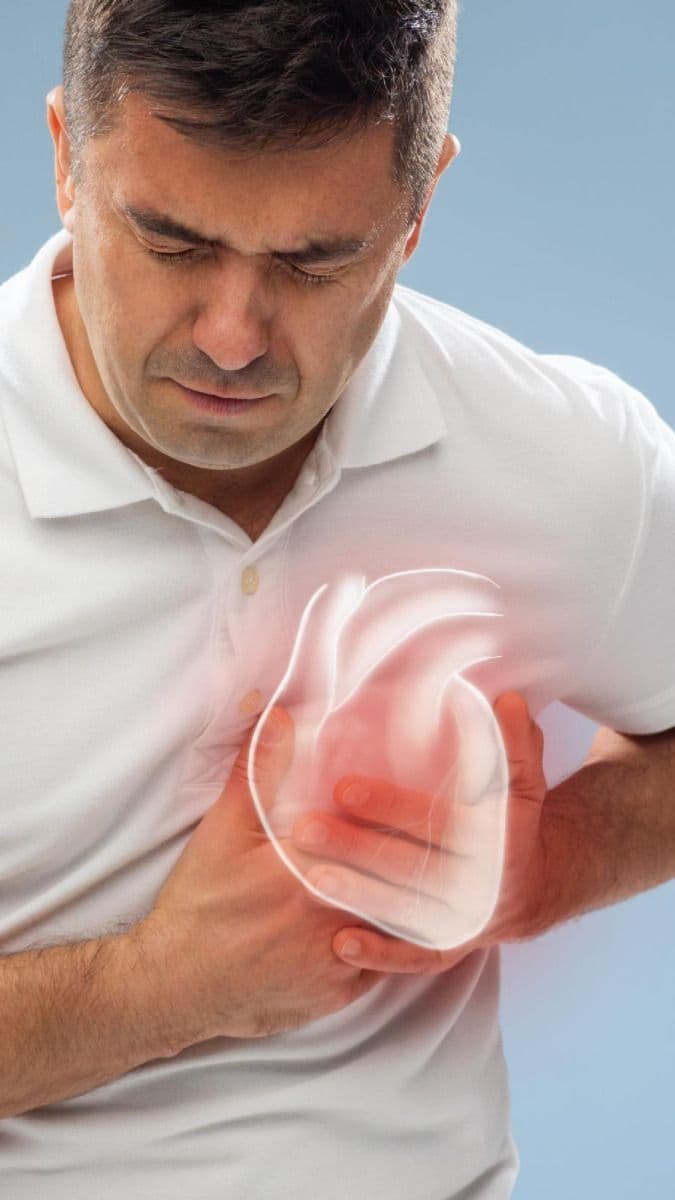
Common Warning Signs of Heart Disease You Should Never Ignore

Shortness of breath, chest discomfort, and unusual fatigue are more than just tiredness. Learn the early warning signs of heart disease and when to seek an immediate consultation.

Read More
How to Reduce Your Risk of Heart Attack — A Cardiologist's Guide
Prevention10 January 2025

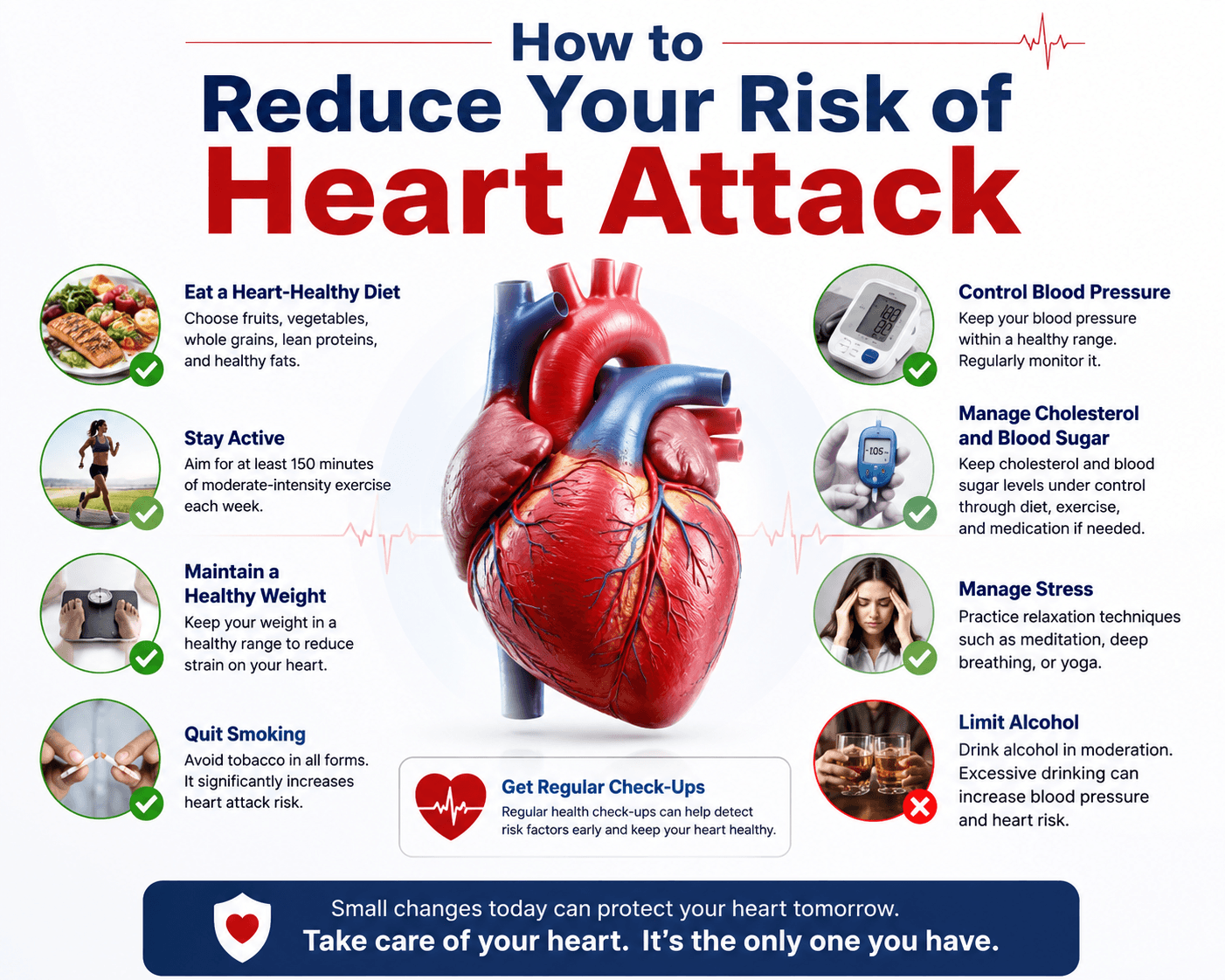
How to Reduce Your Risk of Heart Attack — A Cardiologist's Guide

Simple lifestyle changes can dramatically reduce your risk of a heart attack. Dr. Abhinit Gupta shares evidence-based tips on diet, exercise, stress management, and regular screening.

Read More
Angioplasty vs Bypass Surgery: How Cardiologists Decide
Angioplasty 13 August 2026

Angioplasty vs Bypass Surgery: How Cardiologists Decide

Angioplasty vs Bypass Surgery: Which Treatment Fits Your Blockage? If a coronary angiogram has shown a blockage in one of your heart's arteries, your cardiologist may have mentioned two possible treatments: angioplasty or bypass surgery. Both are designed to restore blood flow to the heart muscle, but they work in very different ways, and the right choice depends on details specific to your arteries and overall health. This guide explains how each procedure works, what actually goes into the decision, and what recovery looks like for each, so you can have a more informed conversation with your cardiologist. This choice can come up in more than one setting. Sometimes it follows a planned angiogram done to investigate chest pain on exertion or an abnormal stress test. Other times it comes up during, or shortly after, treatment for a heart attack, when one artery is opened urgently and the remaining arteries are assessed separately once the patient has stabilised. The clinical picture in each situation is different, which is part of why the same two words, angioplasty and bypass, can lead to quite different conversations for different patients. What Is Angioplasty? Angioplasty, also called percutaneous coronary intervention (PCI), is a catheter-based procedure. A thin, flexible tube is guided through an artery in the wrist or groin to the site of the blockage in the heart. A small balloon at its tip is inflated to widen the narrowed segment, and in most cases a stent, a small mesh tube, is left in place to hold the artery open. The radial, or wrist, approach is now widely preferred where possible, as it tends to allow patients to sit up and move around sooner than the groin approach. Angioplasty is performed under local anaesthesia with sedation rather than general anaesthesia, and most patients go home within a day or two. What Is Bypass Surgery? Coronary artery bypass grafting (CABG), commonly called bypass surgery, is an open-heart procedure. A surgeon takes a healthy blood vessel from elsewhere in the body, commonly an artery from inside the chest wall or a vein from the leg, and grafts it onto the heart to create a new route for blood flow around the blocked section. Depending on how many arteries are affected, more than one graft may be used in the same operation. It is a longer procedure performed under general anaesthesia, often with a heart-lung machine supporting circulation while the grafts are placed, and typically requires several days in hospital afterward. How Cardiologists Decide Between the Two The decision isn't about which procedure is better in general. It's about which one fits the specific pattern of blockage a cardiologist sees on your angiogram. Factors that are usually weighed together include: Number of blockages. A single or limited blockage is often well suited to angioplasty; disease across multiple vessels more often favours bypass. Location. Blockages in the left main coronary artery, which supplies a large share of the heart muscle, have traditionally leaned toward surgery, though this has shifted with newer catheter-based techniques (see below). Complexity. Long, heavily calcified, or completely blocked segments (chronic total occlusions) can be harder to treat with a catheter alone. Other health conditions. Diabetes, reduced heart pump function, or diffuse disease spread across the arteries can tilt a recommendation toward bypass. Patient factors. Age, other medical conditions, and how well someone is likely to tolerate open-heart surgery all factor into the discussion. None of these on their own settles the decision; they're weighed together, which is why two patients with similar-sounding blockages can end up with different recommendations. When Advanced Angioplasty Can Still Be an Option Some blockages that would once have been sent straight to bypass surgery can now be treated with catheter-based techniques designed specifically for complex disease. Chronic total occlusion (CTO) techniques can open arteries that have been fully blocked for months or years. Left main intervention allows some left main blockages to be treated without surgery in appropriately selected patients. Rotablation and intravascular lithotripsy (IVL) break down heavily calcified plaque that a standard balloon cannot cross. Physiology-guided assessment using FFR or iFR measures whether a blockage is actually restricting blood flow enough to need treatment at all, which can sometimes avoid an unnecessary procedure altogether. None of these techniques are appropriate for every complex case, but they're worth raising directly if bypass has been suggested and you would like to understand whether a less invasive option was considered. Recovery and Daily Life After Angioplasty recovery is generally quicker: many patients resume light activity within days and return to most normal routines within a couple of weeks, though this varies by individual and by how the artery was accessed. Bypass surgery involves a longer hospital stay, and recovery is measured in weeks to a few months, since the chest incision and, in many cases, the use of a heart-lung machine during surgery need time to heal. Driving, heavier lifting, and returning to physically demanding work typically take longer after bypass than after angioplasty, and your care team will usually give a personalised timeline based on your recovery. Both procedures require ongoing medication, risk-factor management such as blood pressure, cholesterol, and diabetes control, and typically a structured cardiac rehabilitation programme afterward, with follow-up visits to check how the treated artery, or graft, is functioning over time. The procedure itself is the start of treatment, not the end of it. When to See a Cardiologist If you've been diagnosed with a blockage and are unsure why one treatment was recommended over the other, it's entirely reasonable to ask your cardiologist to walk through the specific factors in your case, or to seek a second opinion, particularly if bypass surgery has been suggested for a complex or borderline blockage. And if you're currently experiencing chest pain, breathlessness, or other new cardiac symptoms, that's a reason to seek medical attention promptly rather than research treatment options first. Frequently Asked Questions Is angioplasty a permanent fix, or can the blockage come back? Modern drug-eluting stents have significantly reduced the chance of the treated segment re-narrowing, but angioplasty doesn't reverse the underlying disease process elsewhere in the arteries. Ongoing medication, risk-factor control, and follow-up remain necessary regardless of which procedure is done. Is bypass surgery safer than angioplasty, or the other way around? Neither is universally safer. Angioplasty is less invasive and carries lower immediate procedural risk, while bypass, despite being major surgery, can offer more durable results for extensive multi-vessel disease. The more useful question is which option matches your specific blockage pattern and health profile. Can I have angioplasty if I've already been told I need bypass surgery? Sometimes. Advances such as CTO techniques, left main intervention, rotablation, and IVL have expanded what can be treated without surgery, though not every case is suitable. This is a reasonable question to raise directly with your cardiologist, or in a second opinion. How long does each procedure actually take? Angioplasty typically takes well under two hours in straightforward cases, though complex blockages can take longer. Bypass surgery is a longer operation, generally several hours, reflecting its more involved surgical approach. Will I need to keep taking medication after either procedure? Yes. Both angioplasty and bypass surgery treat the blockage itself; they don't eliminate the underlying coronary artery disease. Blood-thinning medication, cholesterol and blood pressure control, and lifestyle changes remain part of long-term care either way. What should I ask my cardiologist before deciding? It helps to ask how many arteries are affected, where the blockages are located, why one procedure is being recommended over the other, and what recovery is likely to look like for your specific situation. Talk to a Cardiologist If you've recently been told you have a coronary blockage, whether angioplasty or bypass surgery has been suggested, Dr. Abhinit Gupta offers consultations to review your angiogram findings and discuss the treatment options suited to your specific case, including a second opinion where useful. Call 1800 208 7078 or request an appointment online. Doctor Bio / Medical Reviewer Dr. Abhinit Gupta is an interventional cardiologist, Associate Director – Cardiology at Regency Hospital, Kanpur, and Founder & Director of Smiling Hearts Cardiac Centre. He completed his DM in Cardiology at AIIMS, New Delhi, following MBBS from L.L.R.M. Medical College and MD in Medicine from S.N. Medical College, and trained further at Max Super Speciality Hospital, Saket, New Delhi, before joining Regency Healthcare, Kanpur, in June 2017. His clinical focus includes complex and imaging-guided angioplasty, CTO and left main intervention, structural heart disease, arrhythmia management, and heart failure treatment. Sources American Heart Association / Circulation — "Angioplasty Versus Bypass Surgery for Coronary Artery Disease" (ahajournals.org) Manipal Hospitals Patient Education — "Angioplasty vs. Bypass Surgery: Which Is Right for You?" (manipalhospitals.com)

Read More
Chat with us